EnergiRaven brought together Greater Manchester representatives and Danish energy specialists to discuss how a regional network could connect local sources of excess heat with homes and businesses.
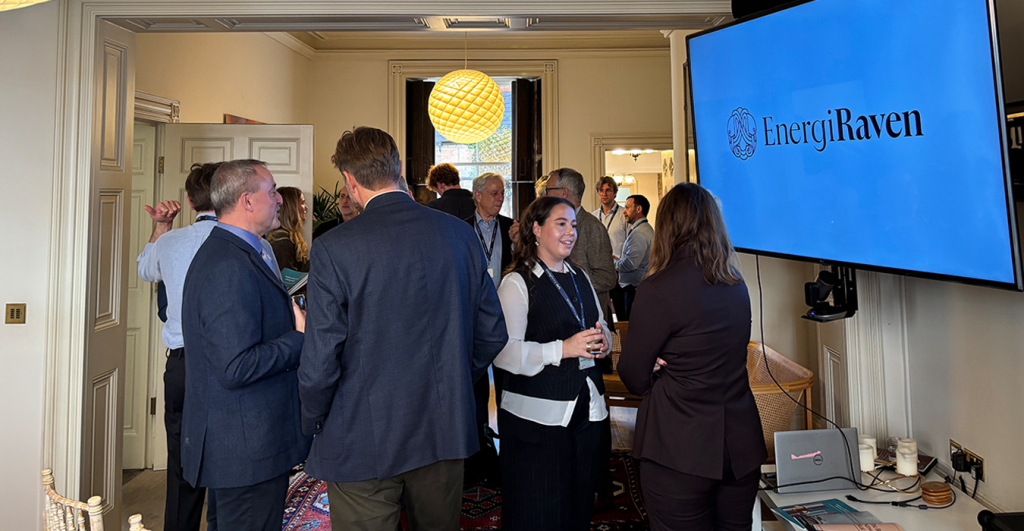
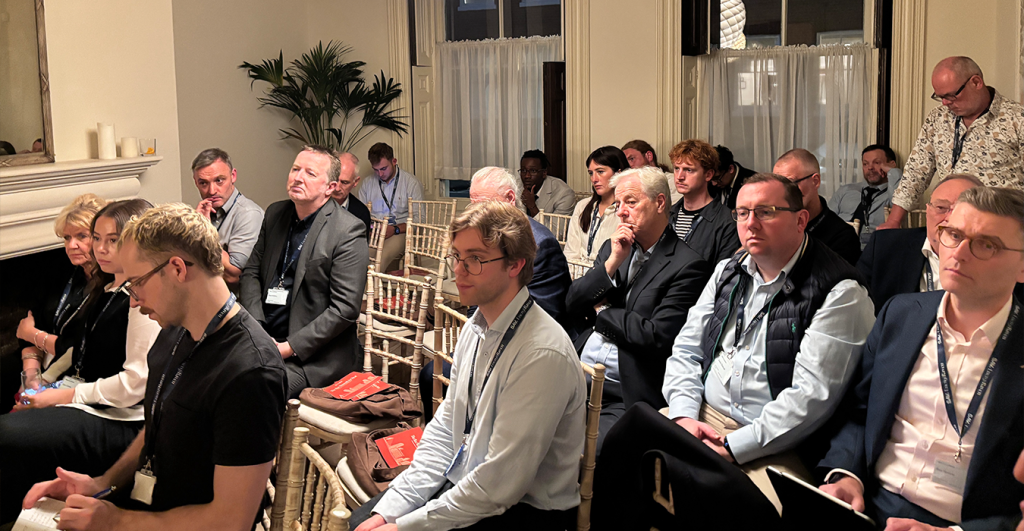
Greater Manchester could make better use of excess heat from industry, data centres and other local sources by connecting them through a regional heat network. That was the focus of the Manchester Heat Highway Symposium, hosted by EnergiRaven on 30 September.
Representatives from the Greater Manchester Combined Authority and local councils joined Danish energy specialists to discuss how the proposal could work and what Greater Manchester might learn from Denmark’s experience.
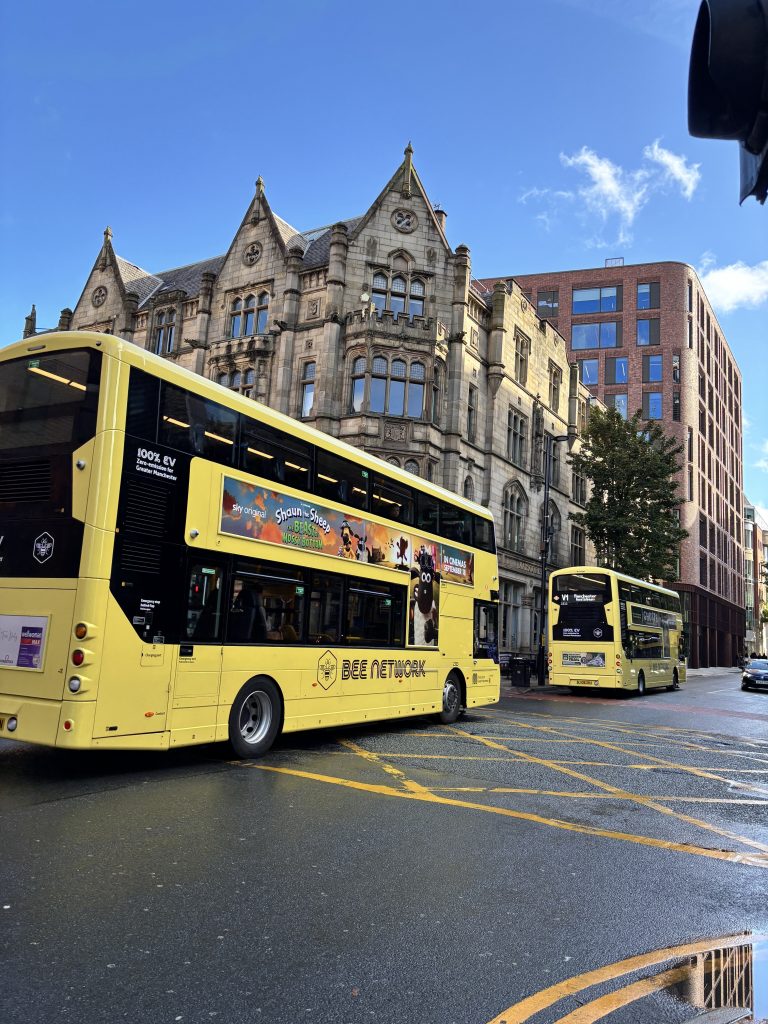
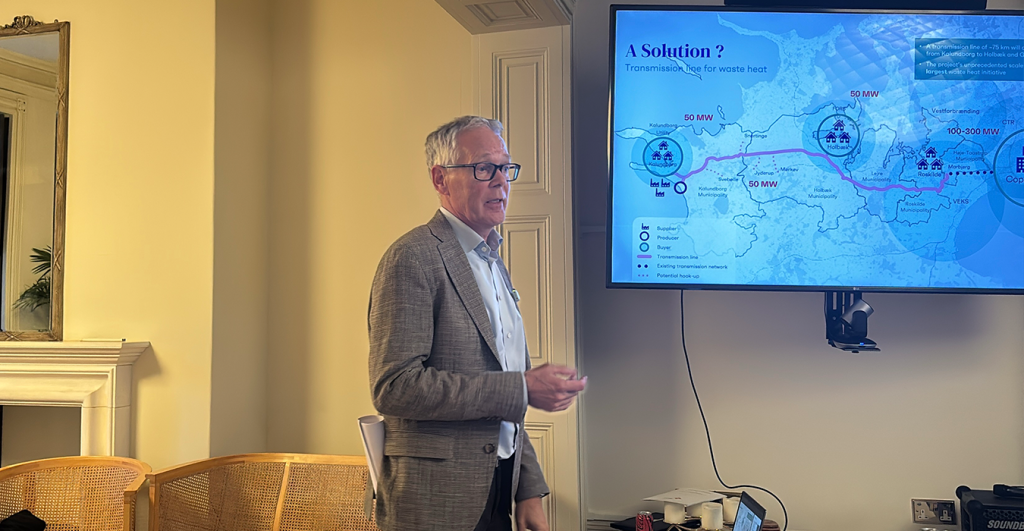
The proposed Heat Highway would act as a “Bee Network for heat”: a regional system connecting heat sources with local heat networks and major users across the ten boroughs. Insulated pipes could carry heat from several sources, allowing local networks to draw on the most suitable supply as availability and prices change.
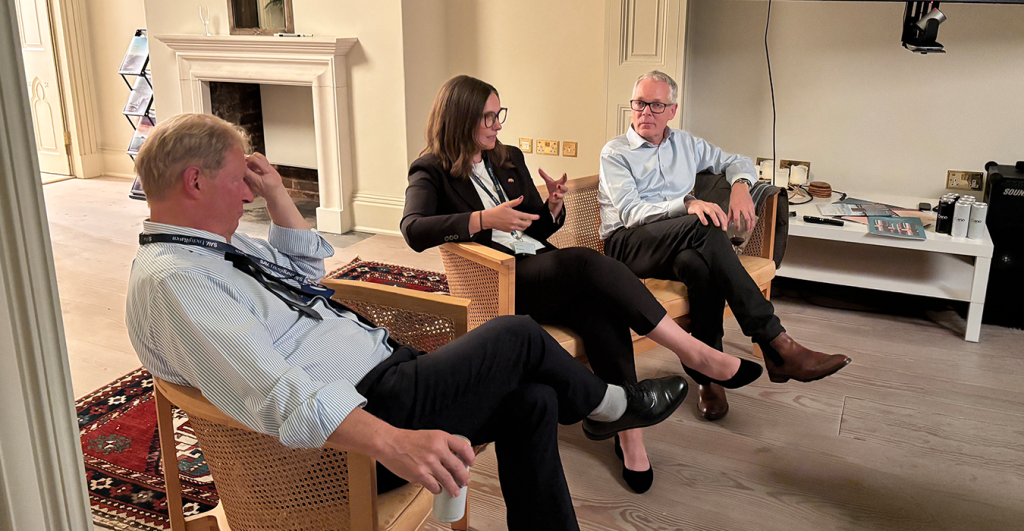
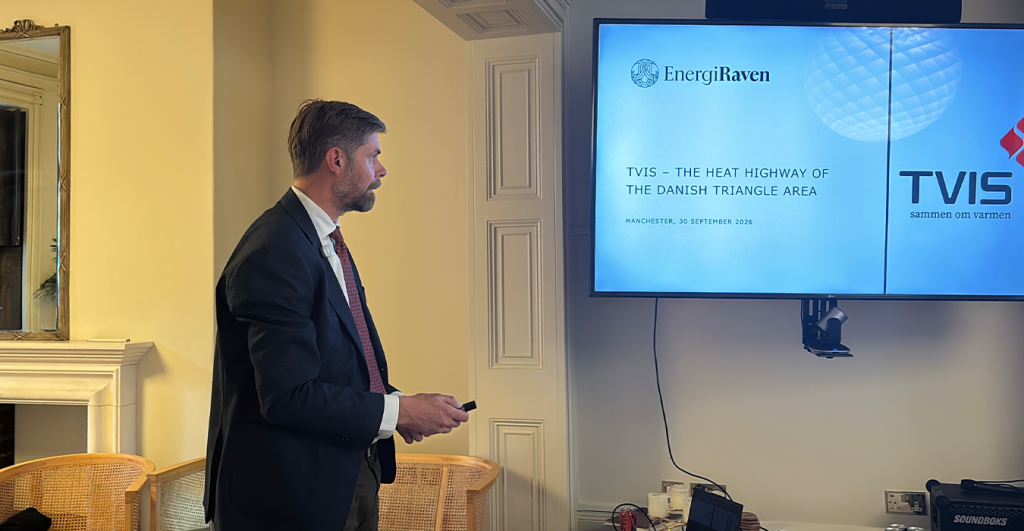
The symposium heard from Peter Maagøe Petersen of Danish consultancy Viegand Maagøe, Søren Berg Lorenzen of the publicly owned Danish heat utility TVIS, and Pil Krogh Tygesen of the Danish Embassy. Their contributions showed how regional planning can support local delivery.
TVIS offers one example. Owned by four municipalities, it buys heat from multiple producers and transmits it to nine local district heating companies on a cost-recovery basis. A similar division of responsibilities could give GMCA a strategic role in heat sourcing, storage and transmission, while councils shape local distribution and household connections around their communities.
A regional network could make better use of local heat
Modelling by EnergiRaven and Viegand Maagøe suggests existing and planned sources of excess heat could meet up to 85% of domestic demand, with large heat pumps supplying the balance.
In the model, the cost of heat production and transmission is 5.4p per kWh, compared with 8.7p per kWh for Greater Manchester’s current mix of gas and direct electric heating—a 38% reduction. The 5.4p figure excludes local distribution costs, so it is not a household tariff; actual bills would depend on local costs and tariffs.
The same analysis estimates £8.83 billion in savings over 20 years compared with the current gas and electric heating mix. These are modelled, system-wide savings based on the study’s assumptions, rather than a guarantee of individual household savings.
A regional network could also keep more energy spending within the region. The symposium discussed how industrial suppliers could be paid for heat that might otherwise go unused, while revenue from heat sales could support the infrastructure that carries it to homes and businesses.
Building from the strongest routes
The discussion also focused on how to turn the proposal into a practical delivery programme. Options include establishing a publicly owned regional company with a cost-recovery remit, agreeing plans with each council, and using public buildings and housing as early customers where appropriate.
Planning new homes for connection from the outset will matter too. If homes are built without the pipework, shared heating systems or space needed to connect later, residents may be unable to benefit even when a heat network reaches their street. Social and affordable housing should therefore be part of regional heat planning from the beginning.
Polling commissioned by EnergiRaven found that around 70% of Manchester respondents supported the proposed Heat Highway. The symposium explored how that support could be matched by a system that is accountable to residents, protects affordability and adapts as heat sources and technologies change.
Greater Manchester could begin with the strongest routes, connect available sources to local networks and expand as more communities are ready to join. The aim is to make better use of the region’s heat and bring its benefits to the people who live there.