Manchester Heat for Manchester's Homes.
Manchester Heat for Manchester's Homes.
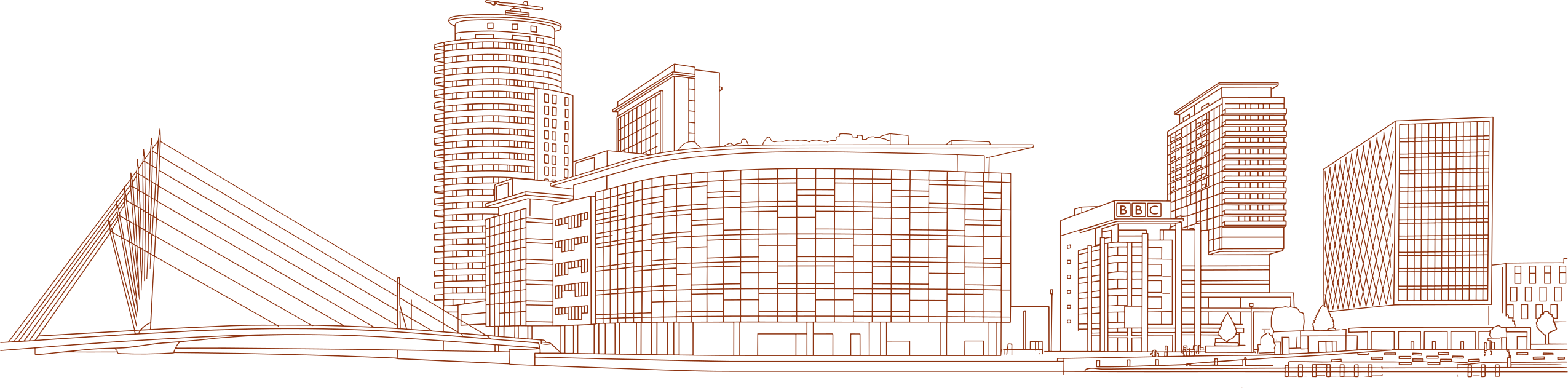
The Manchester Heat Highway would connect local heat network zones into one stronger regional system, capturing wasted heat from data centres, industry, wastewater, energy-from-waste sites and other local sources.
The Bee Network for Heat.
The Bee Network for Heat.
The Bee Network brought buses back under local control and created a cleaner, more joined-up regional transport system. The Manchester Heat Highway could apply the same logic to energy.
Clean Heat Built the Manchester Way.
Instead of every heat network zone needing to solve clean heat alone, Manchester could build shared publicly-owned infrastructure that works for everyone.
The pipes are long-term infrastructure. The heat sources can change over time. That means homes connected today could benefit from better, cheaper and cleaner heat sources in the future without replacing their whole heating system again.
Instead of every heat network zone needing to solve clean heat alone, Manchester could build shared publicly-owned infrastructure that works for everyone.
The pipes are long-term infrastructure. The heat sources can change over time. That means homes connected today could benefit from better, cheaper and cleaner heat sources in the future without replacing their whole heating system again.
38% Lower Energy Bills.
A regional approach to heat infrastructure could help reduce household bills across Greater Manchester. By recovering and sharing surplus heat through the Manchester Heat Highway, the average cost of heat could fall from 8.7p/kWh to 5.4p/kWh – a reduction of around 38% compared with what Mancunians are paying today.
NO HEAT WASTED.
A Manchester Heat Highway could keep homes warmer, bills lower and local heat from going to waste.
70% of Manchester Agrees: Build the Heat Highway
70% of Manchester Agrees:
Build the Heat Highway
EnergiRaven’s Manchester polling found strong support for the proposed Heat Highway route, with 69.6% support and only 1.4% opposition among Manchester respondents.
Future Proofing Manchester's Heat. For Good.
85%
£9bn
£18bn
£34bn
Get Britain Buzzing Again.
Regional heat infrastructure can help power a new green economy for Britain. Heat highways would create skilled jobs in engineering, construction, manufacturing, maintenance and long-term network operation, while giving gas engineers and oil and gas workers a practical pathway to re-skill for the clean heat sector.
70% of Manchester Agrees: Build the Heat Highway
EnergiRaven’s Manchester polling found strong support for the proposed Heat Highway route, with 69.6% support and only 1.4% opposition among Manchester respondents.
Manchesterism: Use Local Heat First.
Manchesterism: Use Local Heat First.

Advancing the Green Energy Transition
Viegand Maagøe is a leading Danish consultancy helping cities, utilities, and the energy and industrial sector deliver large-scale, low-carbon heat solutions. Specialising in regional and city-wide heat networks, waste heat recovery, strategic transmission infrastructure and sector coupling, they bring the experience required for projects of this ambition.
Their expertise combines engineering, financing, and business case modelling, enabling councils, utilities, industries, and ESCOs to turn ambitious decarbonisation plans into reality.
Working with Ordnance Survey
EnergiRaven has worked with Ordnance Survey, Great Britain’s national mapping service, to help develop the Manchester Heat Highway. Using the OS National Geographic Database, the project has mapped a detailed picture of Manchester’s heat sources, heat consumers, buildings, infrastructure and communities. This geospatial insight has helped EnergiRaven identify a proposed route for a strategic Heat Highway: a city-scale network that could capture unused local heat and move it to where it is needed most.
As Chris Wilton, Sector Lead for Utilities at Ordnance Survey, said, quality geospatial data can help the UK “take a fresh look at where heat is being created and consumed” and explore new ways to bring cleaner, cheaper and more resilient energy to homes and businesses.

FURTHER READING
FAQs
The Manchester Heat Highway is a proposed city-wide heat network that would move low-cost heat through underground insulated pipes to homes, public buildings, businesses and new developments. Instead of each area generating its own heat separately, the Heat Highway would connect local heat network zones into one stronger system, making better use of waste heat from industry, data centres, wastewater treatment works, energy-from-waste facilities and other large-scale sources.
Large heat pumps will still have a role, but relying on them alone in every zone risks higher costs and duplicated investment. Greater Manchester already has significant sources of usable waste heat. By capturing that heat and moving it to where it is needed, the city can reduce the amount of new heat that has to be generated. Analysis by EnergiRaven with Viegand Maagøe suggests that using 85% waste heat and 15% large-scale heat sources could save £18.34 billion over 20 years compared with a zoning-only approach based on large-scale air source heat pumps in each zone.
New developments need reliable, affordable and low-carbon heat. A Heat Highway could give housing developers, regeneration areas and local heat network developers access to lower-cost recovered heat, reducing the need for each development to install its own major heat generation plant. This could lower capital costs, reduce delivery risk and help new homes connect to cleaner heat from the start.
EnergiRaven polling found strong support in Manchester. Around 70% of Manchester respondents supported the proposed Heat Highway route, with only a very small proportion opposed. The strongest reason for support was practical: lower energy bills. Respondents also supported the idea because of local investment, job creation, regional benefits and the opportunity for Greater Manchester to lead the UK’s first Heat Highway.
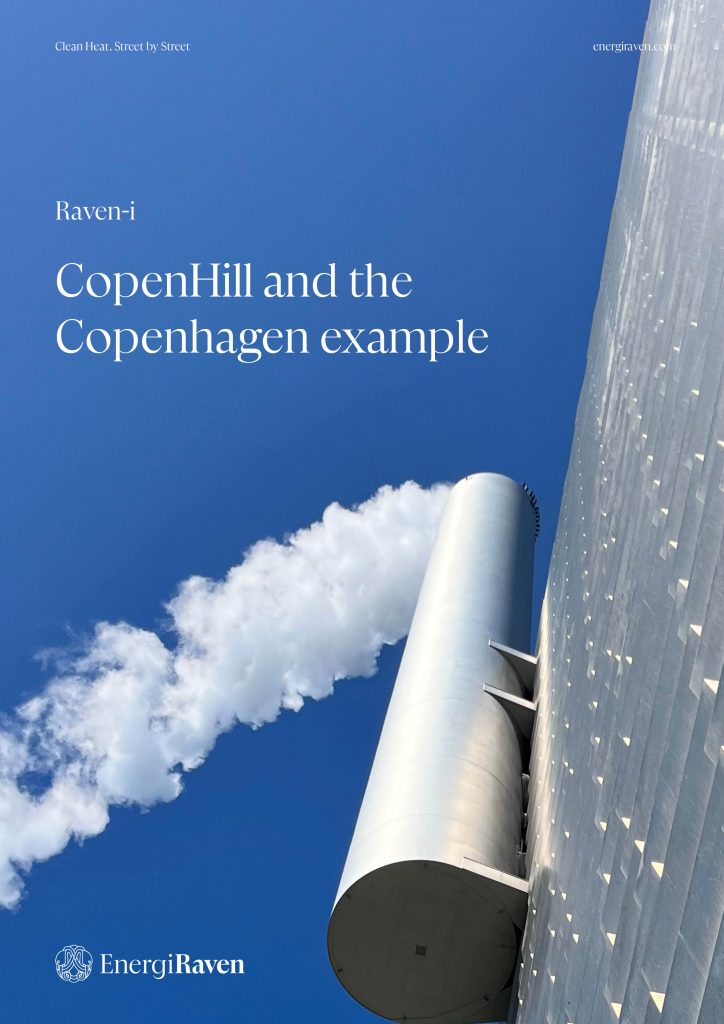
Yes. The proposal is inspired by the Copenhagen model, where heat is treated as strategic city infrastructure rather than something solved building by building. Copenhagen’s district heating system connects many heat sources, transmission routes, local networks and customers into one integrated system. Manchester does not need to copy Denmark exactly, but it can apply the same principle: recover useful heat where it is available, move it to where it is needed, and plan clean heat as long-term infrastructure.