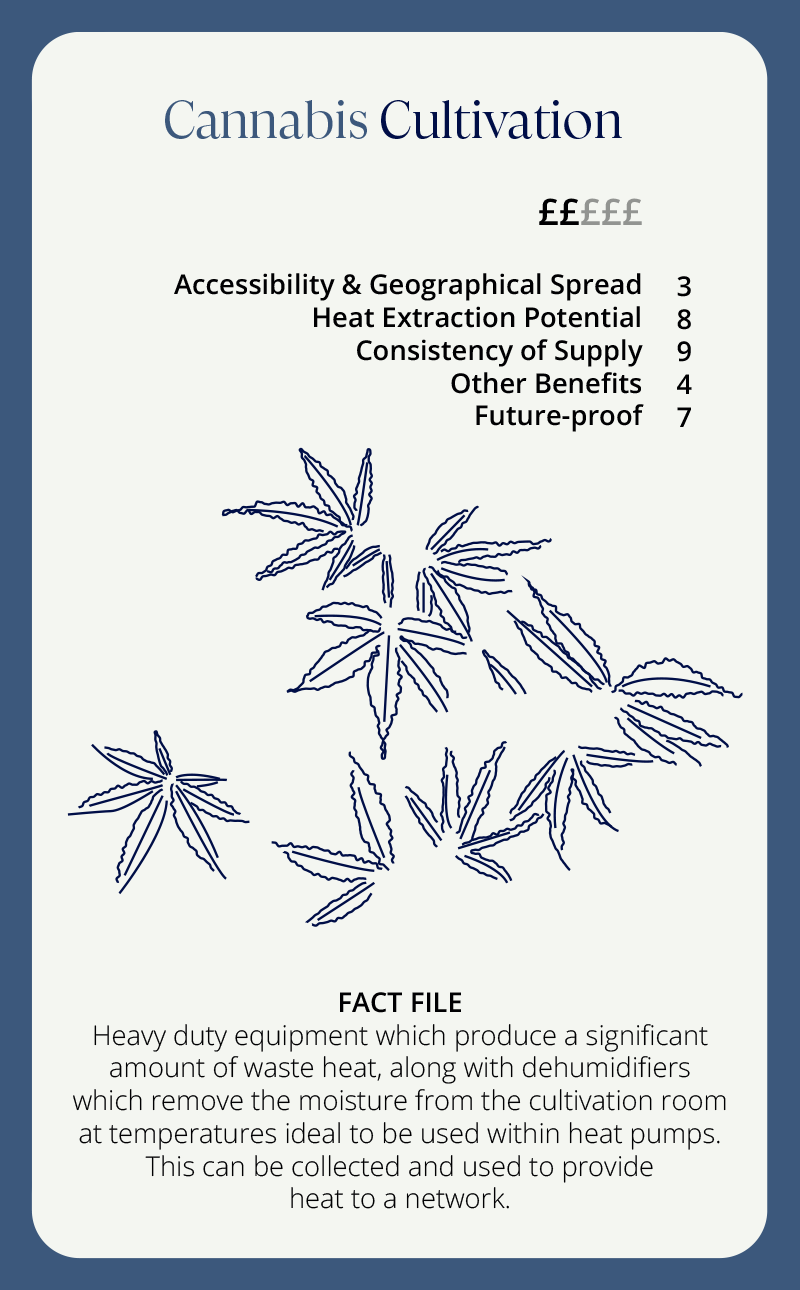
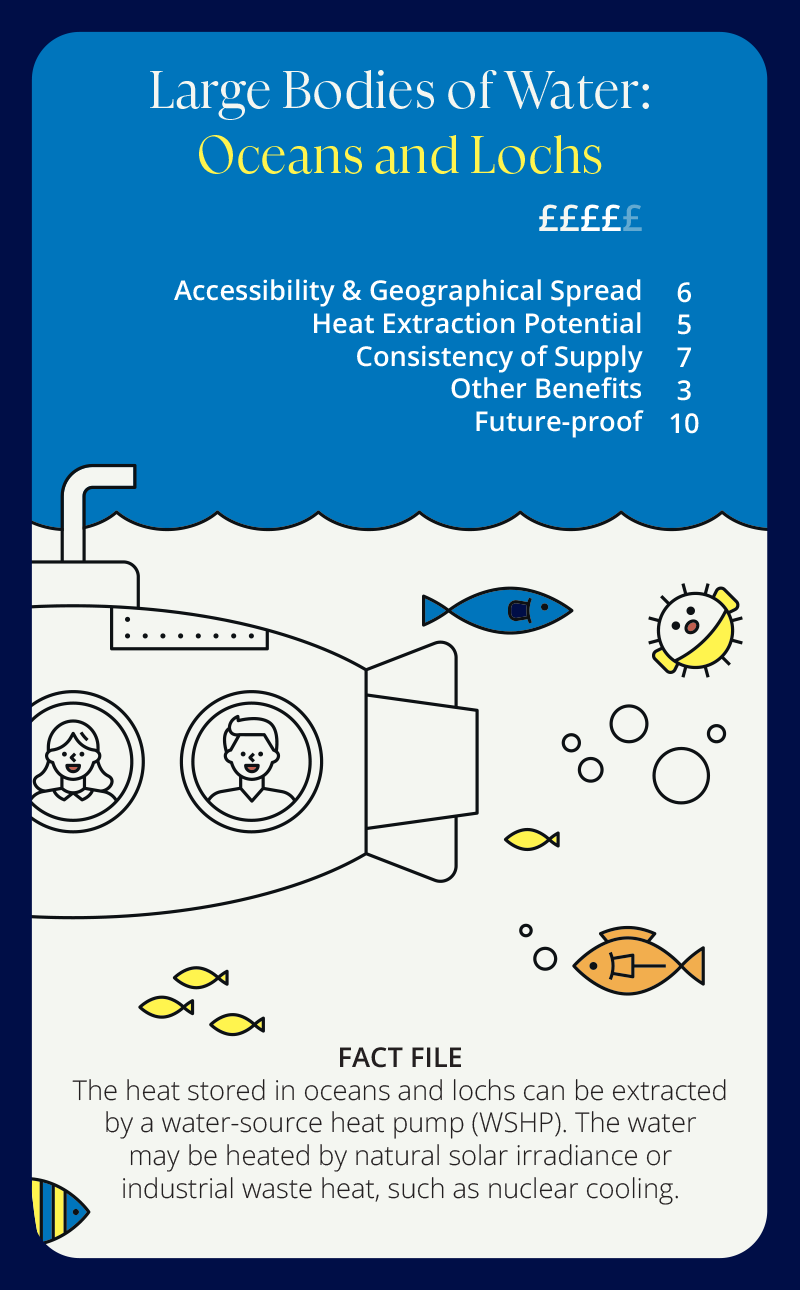
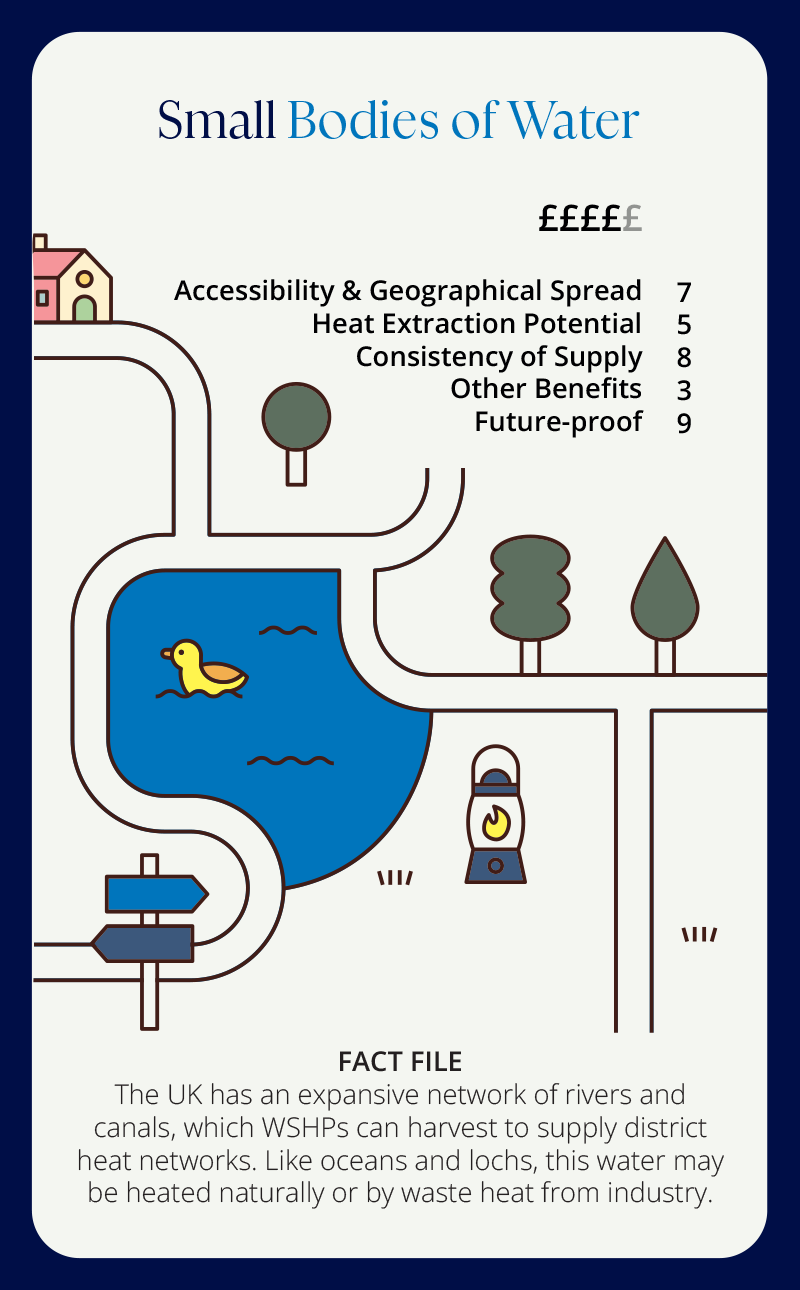
Across our regions, abundant sources of untapped heat, such as waste incineration, industrial processes, surface water, and geothermal reserves, are waiting to be harnessed.
Using waste heat is a transformative opportunity to reduce our reliance on fossil fuels while building a resilient, affordable, and future-proof energy system.
Energy Security Starts Beneath Our Feet.
To make this vision real, future commercial and industrial developments must be required to build in heat recovery and offtake systems from the outset. Heat should no longer be treated as a waste byproduct, but as a strategic local energy supply, captured, stored, and redistributed through heat highways and green heat grids.
Unlocking the Potential of Freely Available Heat.
Councils, local authorities, and governments can lead the way by identifying and cataloguing heat sources within their constituencies, while fostering partnerships with industries and stakeholders. To achieve this vision, it is crucial for new and future commercial enterprises to design in heat recovery and offtake solutions from the outset, ensuring surplus heat is captured and effectively utilised.
What are the abundant sources of untapped heat that are waiting to be harnessed across different regions?+
According to the content, the abundant sources of untapped heat across regions include waste incineration, industrial processes, surface water, and geothermal reserves.
How much waste heat are UK data centres expected to generate by 2035, and what is needed to capture and transport this heat?+
By 2035, UK data centres are on track to generate enough waste heat to heat more than 6 million homes, but only if the right infrastructure is put in place to capture and transport it.
What is the purpose of regional-scale heat transmission infrastructure, also known as Heat Highways?+
Regional-scale heat transmission infrastructure, or Heat Highways, is the mechanism for transporting waste heat over long distances.
How can the linking of renewable electricity with heat networks and thermal storage benefit the future UK energy system?+
Linking renewable electricity with heat networks and thermal storage becomes a powerful tool for the future UK energy system.
How are heat networks treated and managed in Scandinavia, and how does this differ from the approach in the UK?+
Across Scandinavia, heat networks are treated as long-term public infrastructure, often owned by municipalities or community bodies and operated for the benefit of the people they serve, in contrast to the approach in the UK.
Cookie Consent
To provide the best experiences, we use technologies like cookies to store and/or access device information. Consenting to these technologies will allow us to process data such as browsing behavior or unique IDs on this site. Not consenting or withdrawing consent, may adversely affect certain features and functions.
Functional
Always active
The technical storage or access is strictly necessary for the legitimate purpose of enabling the use of a specific service explicitly requested by the subscriber or user, or for the sole purpose of carrying out the transmission of a communication over an electronic communications network.
Preferences
The technical storage or access is necessary for the legitimate purpose of storing preferences that are not requested by the subscriber or user.
Statistics
The technical storage or access that is used exclusively for statistical purposes.The technical storage or access that is used exclusively for anonymous statistical purposes. Without a subpoena, voluntary compliance on the part of your Internet Service Provider, or additional records from a third party, information stored or retrieved for this purpose alone cannot usually be used to identify you.
Marketing
The technical storage or access is required to create user profiles to send advertising, or to track the user on a website or across several websites for similar marketing purposes.