Thermal Energy Storage
Heat Reservoirs
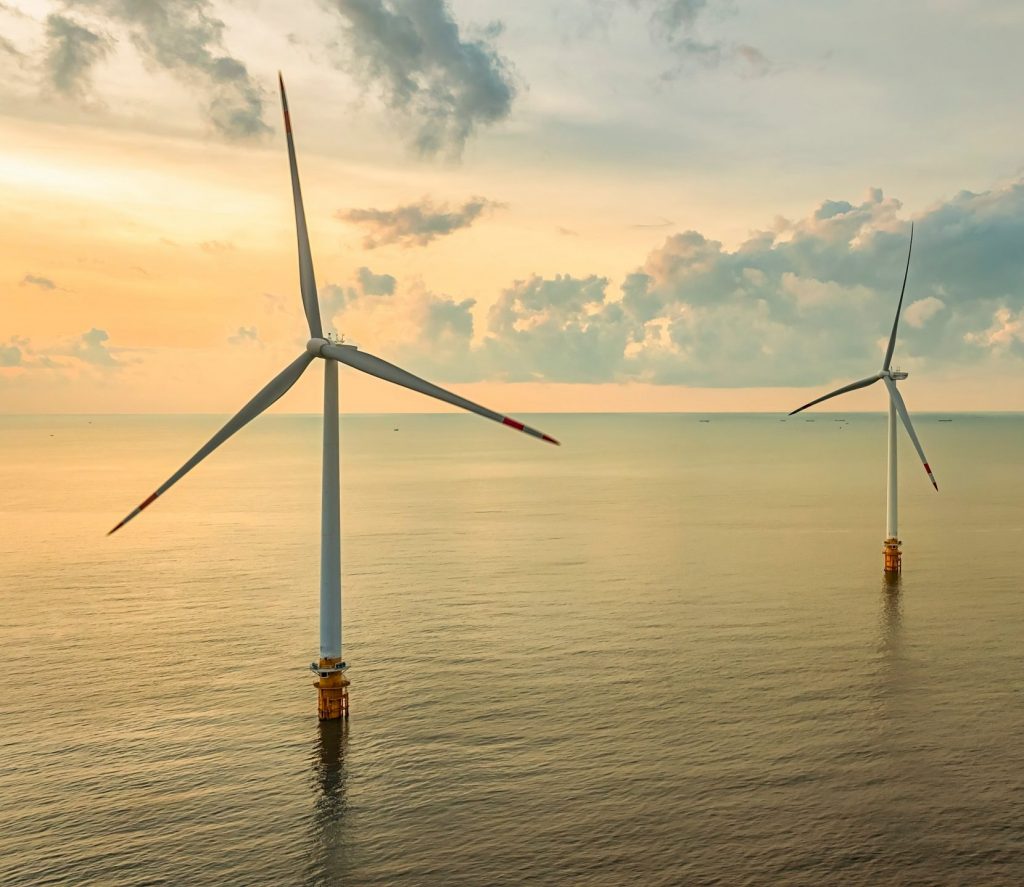
Coupling renewable electricity generation with heat networks and thermal storage offers a powerful pathway for the future UK energy system. By capturing and storing surplus renewable power that would otherwise be curtailed, it strengthens local energy resilience, lowers system-wide costs, and reduces the need for expensive electricity grid upgrades.

Efficient Energy Storage
During times of surplus or “waste” electricity production excess renewable energy can be stored efficiently as thermal energy in for example large pit storage facilities, abandoned quarries or mines.
Stored for days, weeks or even months at a time this heated water can be dispatched and distributed more widely using Heat Transmission Highways to supply surrounding regions with clean and affordable home heating.

A Coastal Blueprint for Affordable Clean Heat
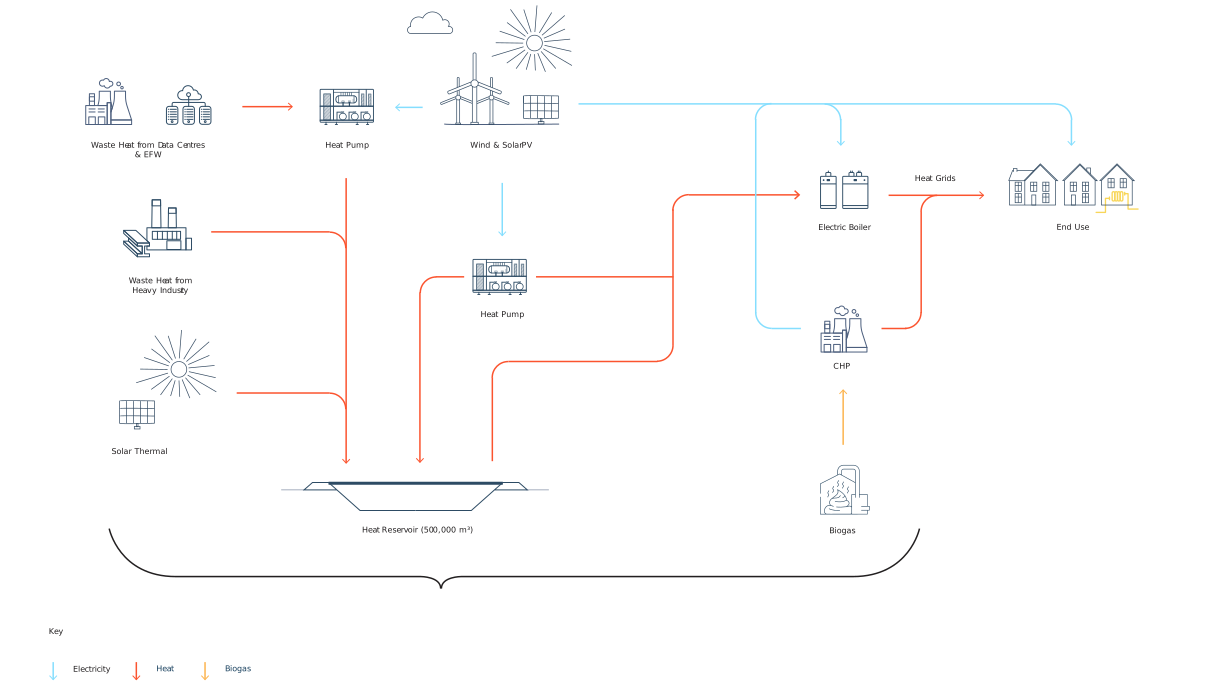
At the heart of Hvide Sande’s success is a smart, flexible energy system built on renewable generation and long-term thinking. The backbone includes three large wind turbines, a solar park, an electric boiler, a large-scale heat pump, and most importantly, a vast thermal energy storage system. These technologies work together to decouple energy supply from demand, making the most of renewable electricity when it’s available, and storing any excess as heat for use when it’s needed most.
Over £1 billion was spent shutting down wind turbines in 2025.
This excess clean electricity could instead be converted into low-cost heat, stored and distributed to homes through heat highways, a vital sector-coupling solution that makes the UK energy system more efficient.
Future Energy System
ENERGY STRATEGIES
Regional-scale heat transmission infrastructure, also known as Heat Highways, is the mechanism for transporting waste heat over long distances.
Across our regions, abundant sources of untapped heat – such as waste incineration, industrial processes, surface water, and geothermal reserves – are waiting to be harnessed.
Green Energi Havens can unlock the full potential of British energy, creating a future where nothing goes to waste.
FURTHER READING